
Two-Shot Injection Molding: Process, Materials, Applications, Advantages & Challenges
What Is Two-Shot Injection Molding?
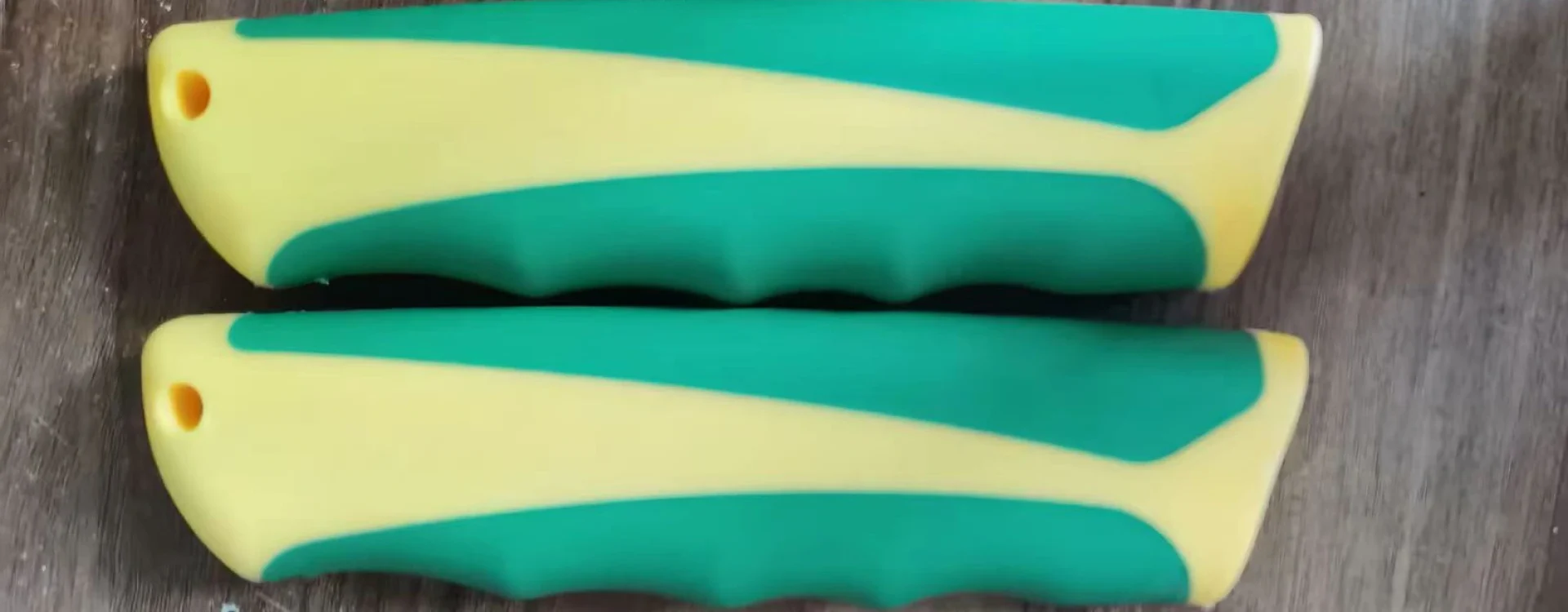
Two-shot injection molding is an advanced plastic manufacturing process that uses two different materials or colors to produce a single plastic part in one molding cycle. The process is completed using a specialized injection molding machine equipped with two injection units and a specially designed mold.
Compared with traditional injection molding, two-shot molding allows manufacturers to combine multiple functions, materials, and appearances into one integrated component. This technology is widely used in automotive, medical, consumer electronics, and industrial applications.
The process is commonly used to create products that require Soft-touch surfaces ,Multi-color designs, Improved sealing performance, Better grip and ergonomics, Integrated functional components.
Typical examples include automotive interior buttons, power tool handles, toothbrushes, medical devices, and electronic housings.
How Does Two-Shot Injection Molding Work?
The two-shot injection molding process consists of two separate injection stages performed within one production cycle.
1.First Injection Shot | The first material is injected into the mold cavity to form the base structure of the product. This material is usually a rigid engineering plastic such as ABS, polypropylene (PP), polycarbonate (PC), or nylon. |
2.Mold Rotation or Transfer | After the first shot partially cools, the mold rotates or transfers the molded substrate to another cavity position inside the mold. |
3.Second Injection Shot | The second material is injected onto or around the first molded component. The second material is often a soft thermoplastic elastomer (TPE), TPU, or another functional plastic material. |
4.Cooling and Part Ejection | After both materials fully cool and bond together, the finished part is ejected from the mold, and because the process combines two molding stages into one automated cycle, manufacturers can reduce assembly operations, improve production efficiency, and achieve stronger material bonding. |
Advantages and Disadvantages of Two-Shot Injection Molding
Advantages of Two-Shot Injection Molding
Improved Product Functionality: Two-shot molding allows manufacturers to combine rigid and soft materials into a single component, improving product comfort, sealing, and usability.
Enhanced Product Appearance: The process supports multi-color molding, transparent materials, and premium cosmetic finishes.
Reduced Assembly Operations: By molding multiple materials together directly, manufacturers can eliminate secondary bonding or assembly processes.
Strong Material Bonding: The two materials are bonded during the molding process, improving structural integrity and product durability.
Higher Production Efficiency: For high-volume manufacturing, two-shot molding provides excellent consistency and automation efficiency.
Disadvantages of Two-Shot Injection Molding
Higher Mold Cost Two-shot injection molds are more complex and expensive than standard injection molds.
Complex Mold Design The process requires precise mold alignment, material compatibility, and advanced engineering.
Longer Development Time Tooling design, mold manufacturing, and process validation may require additional development time.
Material Compatibility Challenges Some plastic materials do not bond effectively during the molding process.
Materials Used in Two-Shot Injection Molding
Material compatibility is one of the most important factors in successful two-shot injection molding.
The selected materials must have compatible processing temperatures, shrinkage rates, and bonding characteristics.
Common Material Combinations
| First Material | Second Material | Common Applications |
|---|---|---|
| ABS | TPE | Automotive buttons |
| PC | TPU | Consumer electronics |
| PP | TPE | Household products |
| Nylon | TPU | Industrial tools |
| PC | Silicone | Medical devices |
Common Plastic Materials
Rigid Plastic Materials: ABS / Polycarbonate (PC) / Polypropylene (PP) / Nylon (PA) / PBT
Soft Plastic Materials: TPE / TPU / Silicone / Thermoplastic rubber
Choosing the correct material combination can significantly improve bonding strength, product durability, and production stability.
Applications of Two-Shot Injection Molding
Two-shot injection molding is widely used in many industries because it improves product functionality, appearance, and manufacturing efficiency.
Automotive Industry | Interior control buttons / HVAC panels / Steering wheel components / Automotive lighting parts / Soft-touch trim components |
Consumer Electronics | Smartphone housings / Wearable devices / Waterproof electronic components / Remote controls / Keyboard parts |
Medical Industry | Surgical instrument handles / Diagnostic equipment housings / Medical seals and grips |
Household and Consumer Products | Toothbrush handles / Kitchen utensils / Power tool grips / Razor handles |
Common Challenges in Two-Shot Injection Molding
Although two-shot injection molding offers many advantages, manufacturers must also overcome several technical challenges.
Material Bonding: Problems Poor compatibility between materials may result in weak bonding or delamination.
Shrinkage Mismatch: Different materials may shrink at different rates, causing warpage or dimensional instability.
Flash Formation: Improper mold sealing or injection pressure can create flash around the molded part.
Mold Alignment Accuracy: Two-shot molds require extremely precise positioning and cavity alignment.
Process Stability: Manufacturers must carefully control temperature, injection pressure, cooling time, and cycle parameters.
Two-Shot Injection Mold Design Considerations
Proper mold design is essential for achieving stable production and high-quality molded parts.
Gate Design: Gate location directly affects material flow balance and bonding quality.
Cooling System Design: Efficient cooling improves cycle time and reduces deformation risk.
Runner System Layout: Runner systems must support smooth material transfer and balanced filling.
Venting Design: Proper venting prevents trapped air, burn marks, and incomplete filling.
Tolerance Control: High mold precision is required to maintain part consistency and accurate material alignment.
Rotating Mechanism Design: Rotary platen systems must provide stable and accurate mold positioning during production.
Cost Factors of Two-Shot Injection Molding
Several factors influence the total manufacturing cost of two-shot injection molding projects.
Mold Complexity: Two-shot molds require more complex engineering and manufacturing.
Injection Molding Machine Cost: Specialized two-shot molding machines are more expensive than standard machines.
Material Selection: Engineering plastics and elastomers may increase raw material costs.
Production Volume: Higher production volumes can reduce per-unit manufacturing costs.
Cycle Time: Longer molding cycles may affect production efficiency and operating costs.
Although the initial tooling investment is relatively high, two-shot injection molding can significantly reduce long-term assembly and labor costs.
Conclusion
Two-shot injection molding is an efficient and highly versatile manufacturing process for producing complex multi-material plastic components. The technology combines improved functionality, attractive appearance, and production efficiency in a single molding process.
With proper material selection, mold design, and process control, manufacturers can achieve strong material bonding, excellent product quality, and cost-effective mass production for a wide range of industries.