Mold Trial Process: Ensuring Injection Mold Quality Before Mass Production
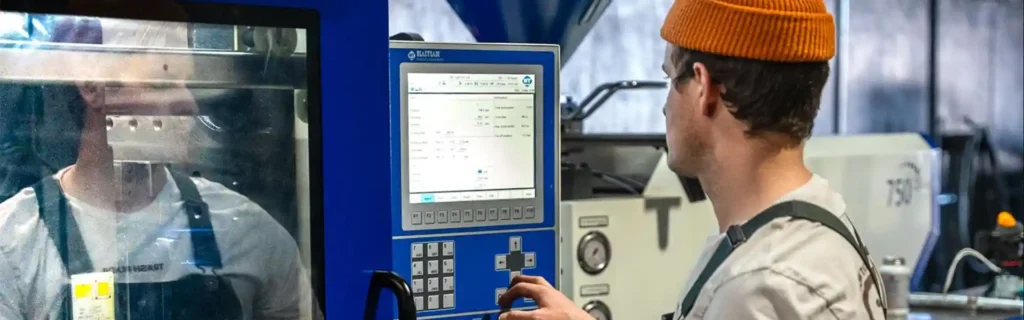
Mold trial is one of the most important stages in injection mold manufacturing. It is a key process used to verify whether the mold design, machining accuracy, and injection molding process can meet the product requirements.
A successful mold trial helps engineers identify potential issues, optimize molding parameters, and ensure that the mold can produce high-quality plastic parts consistently before entering mass production.
At Navimold, we consider mold trial an essential part of the complete injection mold manufacturing process. Through systematic testing, problem analysis, and continuous improvement, we help customers achieve reliable mold performance and a smooth transition into mass production.
What Is a Mold Trial?
A mold trial is the process of installing a newly manufactured injection mold onto an injection molding machine and producing sample parts to verify mold performance and product quality.
During the trial process, engineers evaluate mold operation, part appearance, dimensions, and molding stability. The main purpose is to confirm whether the mold meets production requirements and identify potential problems before mass production begins.
Usually, an injection mold project includes several trial stages, such as T0, T1, T2, and final production approval trials. Each trial provides valuable data for further mold optimization.
Mold Trial Preparation
Before starting a mold trial, detailed preparation is required to ensure accurate and reliable results.
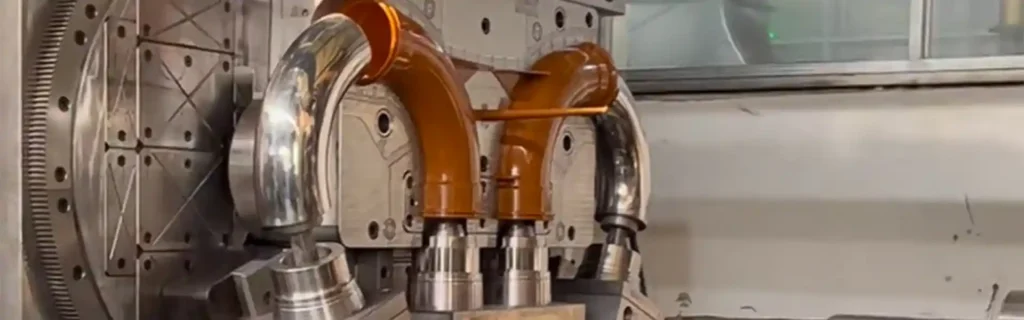
Engineers first review the mold design documents, product requirements, material specifications, and production conditions. The appropriate injection molding machine and processing parameters are selected according to the product requirements.
At the same time, the mold assembly condition, cooling system, ejection system, hot runner system, and related equipment must be carefully checked.
Proper preparation helps reduce debugging time, improve trial efficiency, and allow engineers to quickly identify potential issues.
First Mold Trial and Problem Analysis
The first mold trial (T0/T1) is usually the first real verification after mold manufacturing and is one of the most important stages in the mold development process.
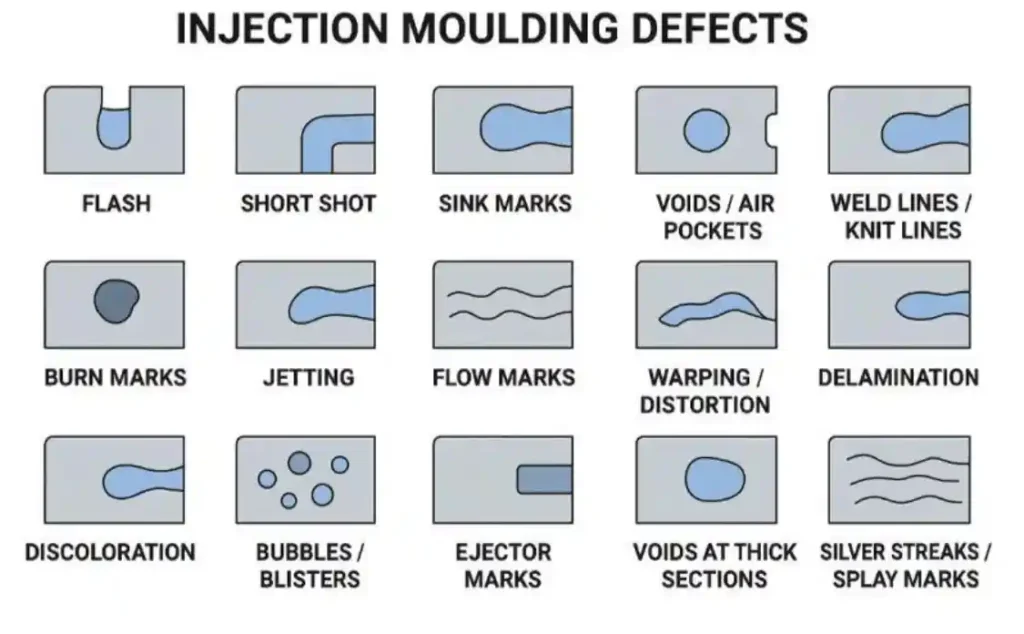
During the initial trial, engineers inspect the molded samples and analyze potential defects, including short shots, flash, sink marks, weld lines, warpage, and surface quality issues.
The purpose of the first trial is not only to produce samples but also to identify problems in the mold structure or molding process and develop effective improvement solutions.
Parameter Optimization and Dimensional Inspection
After the first mold trial, engineers optimize injection molding parameters based on the sample results. These parameters include injection pressure, injection speed, holding pressure, cooling time, and mold temperature.
Through continuous adjustment and optimization, engineers can improve material filling performance, reduce molding defects, and achieve better product consistency.
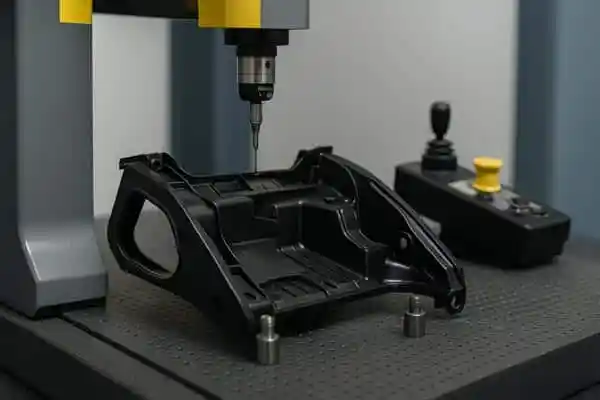
For precision or complex plastic parts, dimensional inspection is also required. Engineers check part dimensions, appearance, and functional requirements according to customer specifications. Dimensional reports are usually provided to verify that the molded parts meet the design requirements.
Mold Improvement and Optimization
During the mold trial process, further mold adjustments may be required if dimensional deviations, appearance defects, or molding issues are found.
Common improvements include adjusting parting lines, optimizing cooling systems, modifying ejection structures, improving gate design, polishing cavity surfaces, and correcting dimensional deviations.
Experienced mold engineers analyze trial results and apply appropriate modifications to ensure that the mold can achieve stable long-term production.
Final Mold Approval and Mass Production
After multiple trial runs, improvements, and customer approval, the mold enters the final validation stage.
Before mold delivery, important documents such as final sample approval, mold parameters, trial reports, maintenance instructions, and spare parts lists are usually prepared.
A fully validated mold provides stable production performance, longer service life, and consistent part quality, creating a reliable foundation for mass production.
Reliable Mold Trial Support from Navimold
Mold trial is not simply a test run; it is a critical engineering process that connects mold manufacturing with successful mass production.
With experience in injection mold making and plastic part production, Navimold provides complete mold trial support, from initial trial analysis and problem solving to final production approval.
Through professional debugging, accurate inspection, and continuous optimization, we help global customers achieve reliable injection molding solutions for automotive, electronics, industrial, and consumer product applications.