Injection Mold Making Process: From Steel to Precision Tooling
Injection mold making is a precision manufacturing process that transforms mold steel into reliable production tools. The quality of an injection mold depends not only on the design but also on the accuracy of each machining process.
At Navimold, we combine advanced machining equipment and experienced technicians to manufacture high-quality injection molds for automotive, electronics, industrial, and consumer products. Our mold making process includes CNC milling, drilling, EDM, grinding, polishing, and mold fitting to ensure precision, durability, and stable production performance.
CNC Milling: Creating the Basic Mold Structure
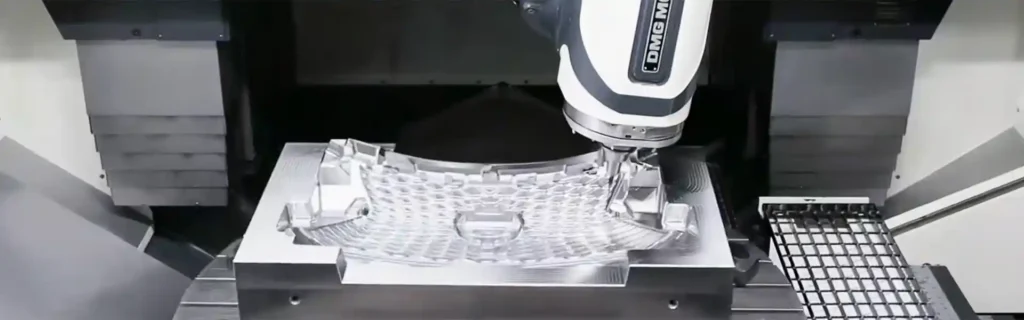
CNC milling is the first major machining process in mold manufacturing. It is used to create the basic structure of mold components, including mold plates, cores, cavities, and inserts.
Through high-precision CNC machining, we achieve accurate dimensions and prepare the mold components for further processing. Proper machining parameters and tool selection are essential for maintaining mold quality and efficiency.
Drilling: Machining Cooling and Assembly Holes
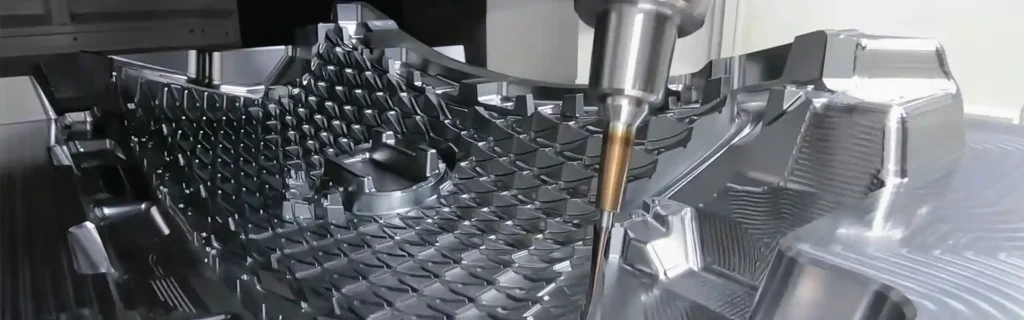
Drilling is mainly used for machining cooling channels, ejector holes, screw holes, and other assembly features.
A well-designed and accurately machined cooling system helps control mold temperature, improve cycle time, and ensure consistent plastic part quality during injection molding.
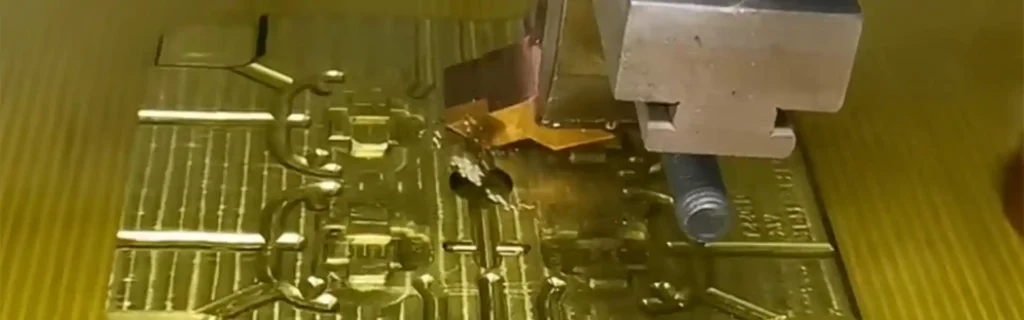
EDM Machining: Manufacturing Complex Mold Features
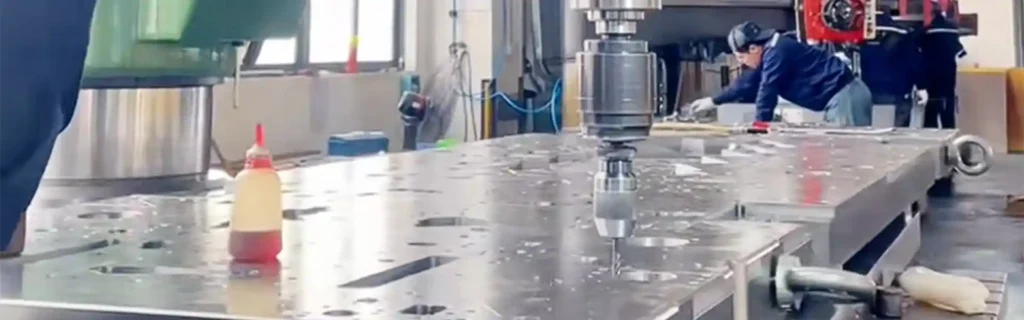
Electrical Discharge Machining (EDM) is an important process for manufacturing complex mold features that cannot be easily machined by cutting tools.
EDM is widely used for deep ribs, sharp corners, fine details, and hardened steel components. It provides excellent precision and surface quality for complex injection molds.
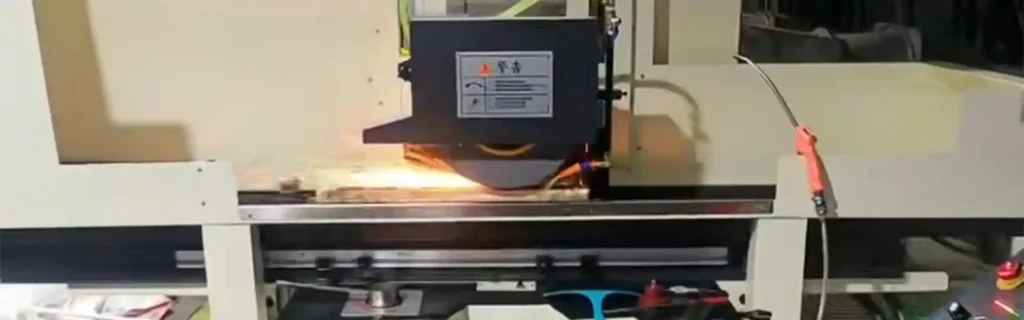
Grinding: Achieving High Precision and Surface Accuracy
Grinding is a precision finishing process used to achieve tight tolerances, flatness, and smooth surfaces on mold components.
It is commonly applied to mold plates, inserts, and precision parts that require accurate assembly and reliable operation.
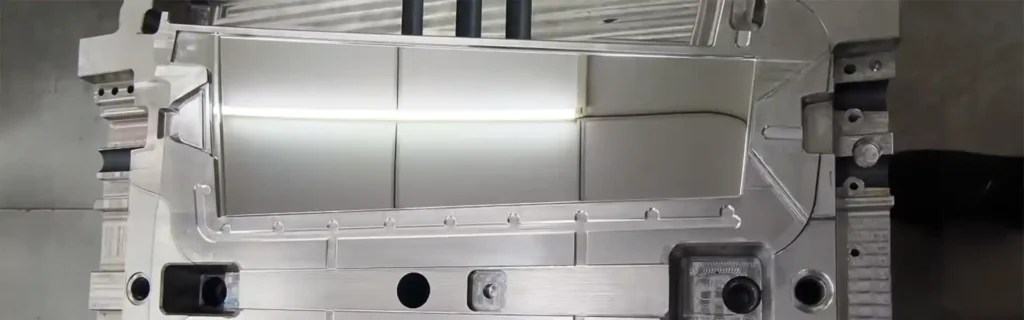
Polishing: Improving Surface Finish and Part Appearance
Polishing improves the surface finish of mold cavities and directly affects the appearance of injection molded parts.
Professional polishing can achieve different surface requirements, from standard finishes to high-gloss or mirror surfaces for automotive and electronic components.
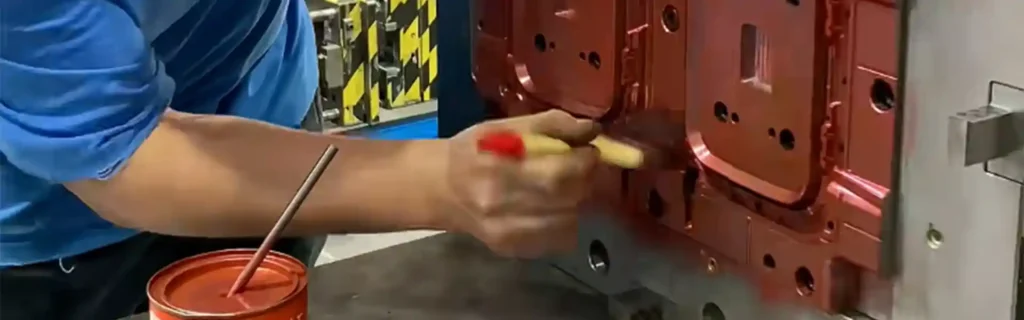
Mold Fitting and Assembly
After machining and inspection, all mold components are assembled and adjusted during the mold fitting process.
Experienced mold makers carefully check the alignment of cores, cavities, sliders, lifters, and ejector systems to ensure smooth mold operation and prevent problems such as flash or parting line mismatch.
Quality Control Throughout the Mold Making Process
Quality control is carried out throughout the entire mold making process. From material inspection and machining accuracy checks to final assembly and mold trials, every stage is carefully monitored.
Using precision inspection equipment and strict manufacturing standards, Navimold ensures that every mold meets customer requirements for accuracy, reliability, and production performance.
Reliable Injection Mold Making Partner
A successful injection mold requires the combination of advanced machining technology, skilled craftsmanship, and strict quality control.
With complete mold making capabilities, Navimold provides reliable tooling solutions from mold manufacturing to trial production and mass production support.